
Recognizing Signs of Concrete Deterioration
Concrete is a durable material, but it can show signs of wear over time. Identifying damage early is crucial to maintaining its structural integrity. Knowing what to look for helps in addressing issues before they become severe and costly. This guide highlights common signs of concrete damage you should not ignore.
Visible Cracks and Their Implications
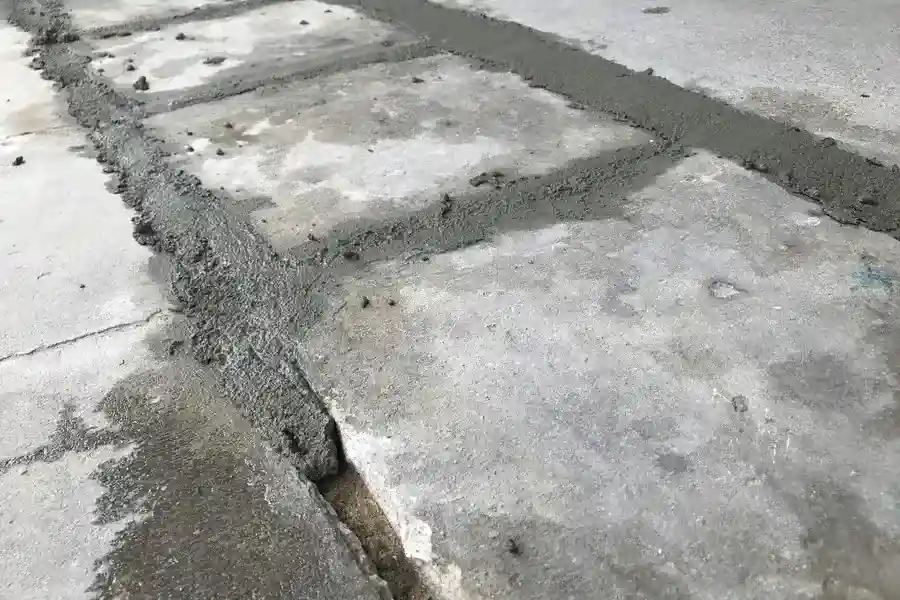
Cracks are the most obvious signs of damage that might require concrete repair. They often appear due to stress, temperature changes, or poor installation. While hairline cracks might seem minor, they can indicate deeper issues like shifting soil beneath the surface. Monitoring these cracks is essential as they can widen over time if left untreated.
Discoloration and Surface Erosion
Another indicator of potential problems is discoloration. This can result from exposure to chemicals, water penetration, or prolonged wear. In some cases, discoloration accompanies surface erosion, where the top layer of concrete starts wearing away. When this occurs, concrete repair might be necessary to restore the appearance and strength of the affected area.
Uneven Surfaces and Misalignments
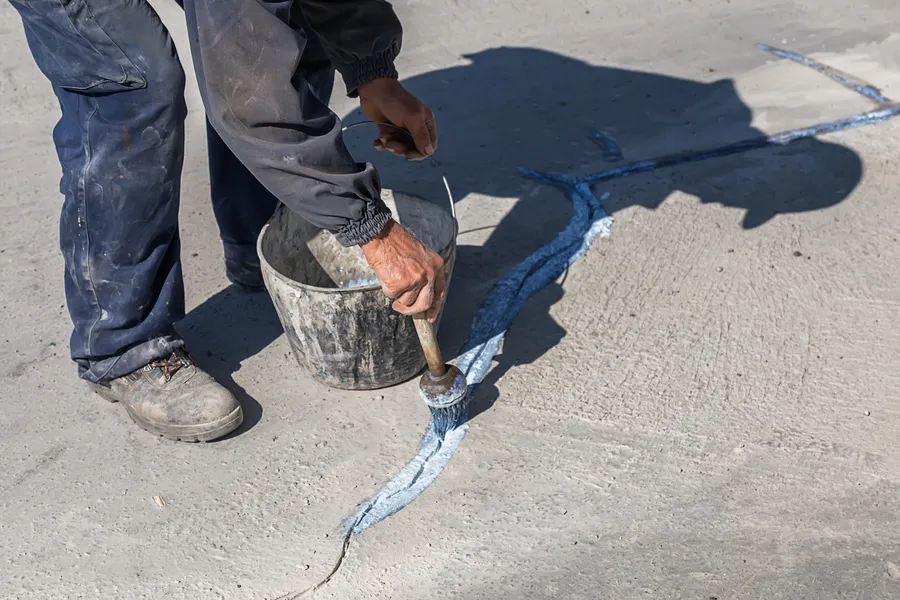
Uneven surfaces or misalignments in concrete structures suggest foundational shifts or settling issues. These conditions may cause tripping hazards and further structural complications. Addressing uneven surfaces through professional assessment and repairs ensures safety and longevity.
Water Pooling and Drainage Issues
If you notice water pooling on your concrete surfaces after rain, it indicates drainage problems. Poor drainage can lead to moisture accumulation, which weakens concrete over time. Fixing these issues promptly prevents extensive damage and avoids costly repairs down the line.
- Install proper drainage systems
- Regularly inspect and clean gutters
- Ensure proper slope for water runoff
Rust Stains and Their Causes
Rust stains on concrete often suggest corrosion of embedded metal supports, like rebar. This corrosion can weaken the structure significantly if not addressed. Concrete repair involves removing rusted sections and replacing them with non-corrosive materials to maintain stability.
The Role of Freeze-Thaw Cycles in Damage
In colder climates, freeze-thaw cycles can wreak havoc on concrete surfaces. Water seeps into cracks, freezes, and expands, causing further cracking and deterioration. It’s important to seal cracks before winter sets in, preventing water ingress and subsequent damage.
Professional Assessment and Next Steps
If you’re unsure about the extent of damage, seeking professional help is advisable. Experts can accurately diagnose issues and recommend appropriate solutions for long-term benefits. A thorough inspection by professionals ensures nothing is overlooked.
- Contact a qualified inspector for an assessment
- Discuss findings and recommended actions
- Schedule timely repairs to prevent further damage
Preventative Measures and Maintenance Tips
Maintaining your concrete surfaces extends their life and reduces repair costs. Regular cleaning, sealing cracks promptly, and ensuring good drainage are key practices. Adopting these preventative measures safeguards your investments in concrete infrastructure.
- Use sealants to protect against moisture
- Avoid using harsh chemicals for cleaning
- Conduct regular inspections for early detection of issues
Your Partner for Reliable Concrete Repairs
For those needing expert guidance on maintenance, contact us today at (806) 777-1411. Our team at Stephen’s Concrete Work offers comprehensive solutions tailored to your needs. Based in Lubbock, TX, we prioritize quality and customer satisfaction in every project.